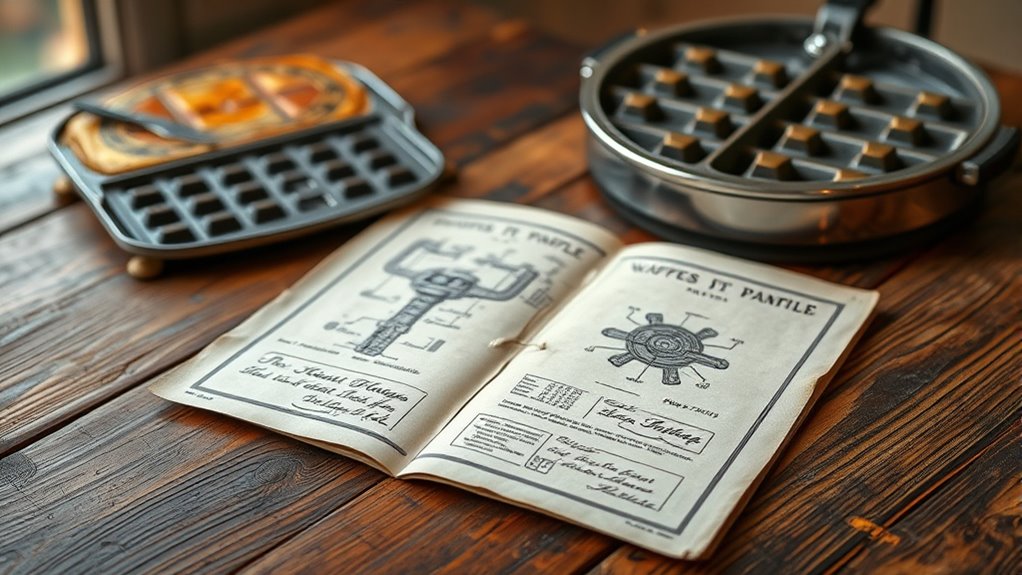

Waffle iron patents blend scientific innovation with cultural myth, shaping how you cook waffles today. These patents introduced improvements like better heat distribution, safety features, and electric controls, transforming the appliance from simple to sophisticated. They also fostered competition, leading to more diverse styles and textures. If you want to discover how patent advancements influence modern waffle-making and the myths behind these innovations, there’s more to explore that can enhance your understanding of this beloved kitchen tool.

Get baking supplies delivered free — and shop member deals
- Fast, free delivery on millions of items
- Access to Prime Big Deal Days deals on October 6–7
- Prime Video, Amazon Music and more included
Key Takeaways
- Patents document technological advances that have improved waffle iron safety, heat distribution, and versatility over time.
- Innovations from patents have led to more consistent, faster, and customizable waffle-making processes.
- Myth: Patents strictly limit creativity; in reality, they often encourage further innovation and diversification.
- Scientific understanding of heat transfer and materials influenced patent designs, enhancing cooking quality and efficiency.
- The evolution of waffle iron patents reflects how legal protections can drive culinary technology and cultural development.
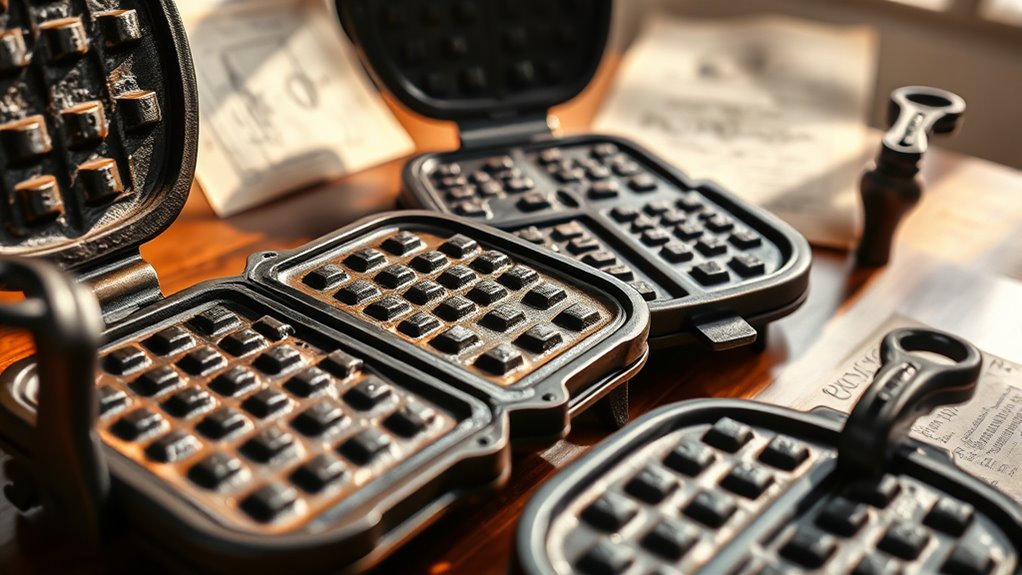
Have you ever wondered how the waffle iron evolved into the versatile kitchen appliance we are aware of today? The answer lies in a long history of patent innovation that has shaped its design and functionality over centuries. In the world of culinary history, each new patent represented a step forward—whether it was improving heat distribution, making the device easier to use, or expanding its cooking capabilities. These innovations weren’t just about convenience; they reflected the evolving tastes and technological advancements of their times. Early inventors sought to perfect the waffle iron, filing patents that protected their ideas and fostered competition, which ultimately benefited consumers by encouraging continuous improvement.
Throughout history, patents served as a record of culinary innovation, capturing the creative sparks that transformed a simple cooking tool into a household staple. For example, the earliest patents in the 19th century introduced designs with hinged plates and handle mechanisms, making waffle irons safer and more efficient. As technology advanced, so did the patents—integrating features like temperature controls, non-stick coatings, and even electric heating elements. These patent innovations helped standardize the waffle-making process while also allowing for more diverse styles and textures. It’s fascinating to see how each new patent built upon the last, creating a layered development that reflects our desire for better, faster, and more consistent results in the kitchen. Patent law played a crucial role in encouraging inventors to push the boundaries of innovation.
Patents transformed waffle irons with safety, efficiency, and innovative features, shaping modern culinary convenience and diverse waffle styles.
Your understanding of the culinary history behind these patents reveals how they shaped not just the device but the culture surrounding waffle making. Each patented design contributed to the modern waffle iron’s versatility, allowing you to experiment with different recipes and achieve consistent results. The ongoing patent race also spurred manufacturers to differentiate their products, leading to innovations like reversible plates, adjustable browning controls, and compact, space-saving designs. These improvements made waffle irons more accessible and user-friendly, transforming them from specialized appliances into everyday essentials.
In essence, the evolution of waffle iron patents is a story of continuous innovation driven by the desire to perfect a beloved dish. It highlights how patent law played a crucial role in culinary history, encouraging inventors to push the boundaries of what a waffle iron could do. Today, those patent innovations continue to influence modern designs, ensuring that your waffle experience is more efficient, enjoyable, and customizable. So, when you enjoy a crisp, golden waffle, remember that behind that delicious treat lies a rich history of inventive spirit and patent-driven progress that has shaped the way we cook and enjoy waffles today.
electric waffle iron with temperature control
As an affiliate, we earn on qualifying purchases.
As an affiliate, we earn on qualifying purchases.
Frequently Asked Questions
How Have Waffle Iron Patents Influenced Modern Breakfast Trends?
Waffle iron patents have shaped modern breakfast trends by encouraging innovative designs that improve functionality and style. As inventors compete, patent disputes push for new features and better results, making waffles more diverse and appealing. You benefit from this progress through unique appliances that offer various textures and flavors. These patents stimulate creativity, ensuring breakfast remains exciting and constantly evolving, reflecting both tradition and innovation in your daily culinary experience.
Are There Any Ethical Concerns With Patenting Culinary Inventions?
You might wonder if patenting culinary inventions raises ethical issues. While intellectual property encourages food innovation by protecting unique ideas, it can also hinder accessibility and fair competition. You should consider how patents can sometimes limit others from improving or sharing recipes, potentially stifling creativity. Balancing the benefits of food innovation with ethical concerns guarantees that culinary progress benefits everyone, not just patent holders.
What Role Do Patents Play in Small-Scale Versus Industrial Waffle Production?
Patents restrict small-scale waffle makers, limiting creativity and raising innovation barriers, while they often encourage industrial producers to invest in new designs and efficiency. For small-scale creators, patent restrictions can hinder experimentation and market entry, whereas industrial manufacturers leverage patents to protect their innovations and gain competitive advantages. You’ll notice that patents shape how both sectors develop waffle technology—either by fostering progress or creating barriers to entry and diversity in the market.
How Can Consumers Identify Authentic Vintage Waffle Iron Patents?
To identify authentic vintage waffle iron patents, you should focus on patent verification and vintage authentication. Carefully examine the waffle iron for patent numbers, dates, or markings often stamped or engraved on the device. Research these details online or in patent archives to confirm their legitimacy. Authentic vintage waffle irons usually have clear, well-preserved markings, and verifying these details helps guarantee you’re getting a genuine piece of history.
Do Patents Affect the Diversity of Waffle Recipes Available Today?
Patents, like overly strict gatekeepers, can stifle recipe diversity by creating innovation barriers. You might find yourself stuck with the same old waffle recipes, as inventing new ones risks infringing on protected designs. These legal fences limit creative experimentation, making it harder for cooks to push boundaries. So, yes, patents can inadvertently turn your waffle game into a boring, cookie-cutter affair, instead of a feast of endless culinary possibilities.
Conclusion
Understanding waffle iron patents is like peeling back the layers of a well-worn waffle. While they protect innovations, they also shape how you cook and create. By knowing the science and myth behind these patents, you can better appreciate the sweet spot between invention and tradition. So, next time you enjoy a perfectly crisp waffle, remember it’s the dance between innovation and legacy that makes every bite special—like a symphony of science and history.
Evergreen bestsellers Picks
bestsellers
As an affiliate, we earn on qualifying purchases.