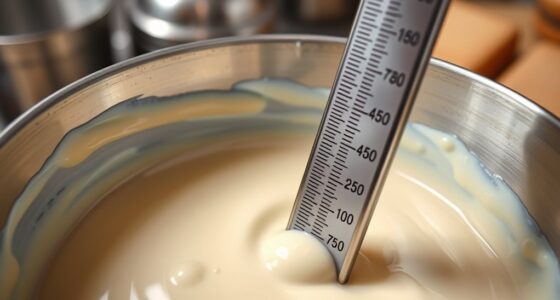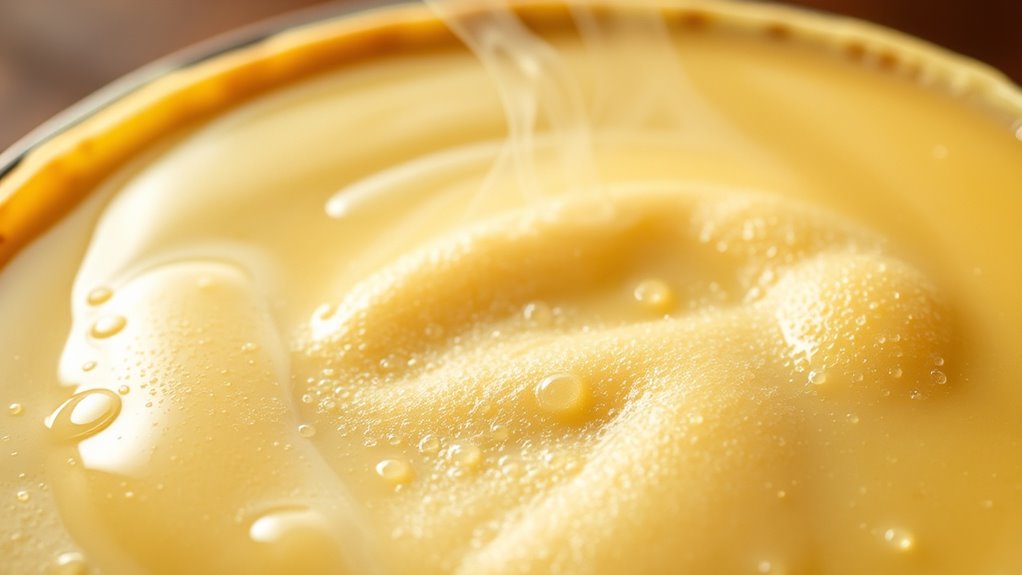

Lactic acid bacteria (LAB) ferment sugars in waffle batter to produce lactic acid and carbon dioxide. This process lowers the pH, acts as a natural preservative, and helps develop flavor and texture. As they generate gases, LAB cause the batter to rise, making your waffles light and crispy outside and tender inside. They also enhance aroma and offer potential health benefits. Keep exploring to discover how this fermentation truly transforms your waffle experience.
Key Takeaways
- LAB convert sugars in batter into lactic acid, lowering pH and acting as natural preservatives.
- They produce carbon dioxide during fermentation, aiding in batter leavening and waffle rise.
- LAB influence flavor development, adding tangy notes and enhancing aroma through acid and compound production.
- They promote gluten development, resulting in a tender, airy texture in waffles.
- LAB provide probiotic benefits, supporting gut health and overall well-being when consumed.
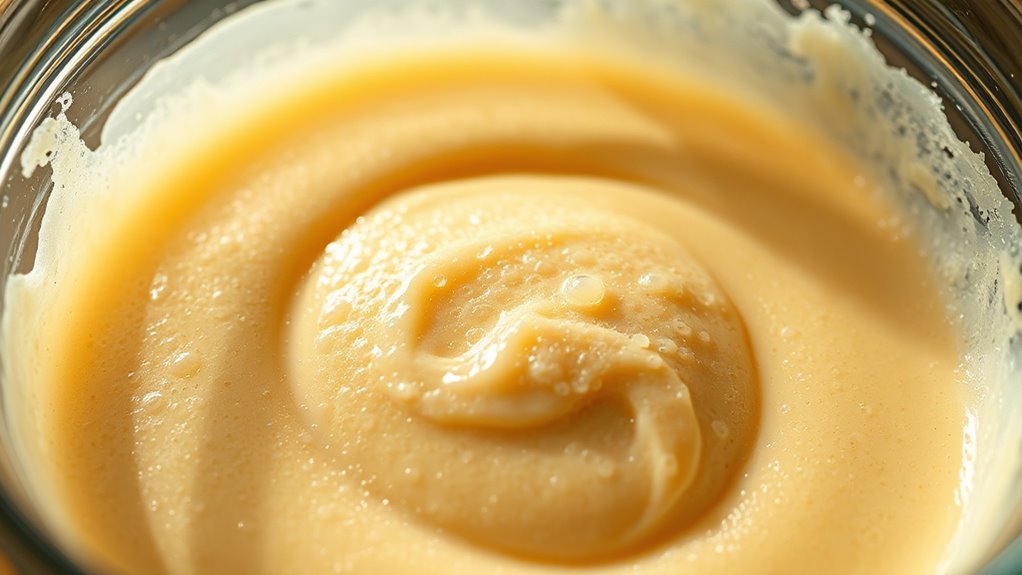
Lactic acid bacteria (LAB) play a crucial role in shaping the texture and flavor of waffle batter through their fermentation activity. When you mix your ingredients and let the batter sit, LAB kick into gear, converting sugars into lactic acid. This fermentation process isn’t just about creating tangy flavors; it also influences the batter’s structure and how your waffles turn out. As the bacteria ferment, they produce acids and other compounds that help break down starches and proteins, resulting in a lighter, more tender waffle with a pleasing aroma. This natural fermentation enhances the overall sensory experience, giving your waffles a depth of flavor that’s hard to achieve with chemical leavening agents alone.
Understanding the fermentation process is essential because it directly impacts the texture and taste of your waffles. During fermentation, LAB thrive on the sugars present in flour and added sweeteners, producing lactic acid that lowers the pH of the batter. This acidification acts as a natural preservative, extending the batter’s shelf life and preventing spoilage. Additionally, the acids help gluten develop in a way that creates a softer, more delicate crumb. The fermentation also generates carbon dioxide, which contributes to the batter’s rise and creates those characteristic airy bubbles inside the waffle once cooked. You’ll notice that properly fermented batter results in waffles that are crisp on the outside and fluffy on the inside, with a tangy undertone that complements sweet toppings perfectly.
Beyond flavor and texture, LAB offers probiotic benefits that can boost your health. When you consume fermented waffles, you’re ingesting beneficial bacteria that promote a healthy gut microbiome. These probiotics can aid digestion, strengthen your immune system, and even improve nutrient absorption. Incorporating LAB into waffle batter not only elevates your culinary creations but also supports your overall well-being. By choosing to ferment your batter with LAB, you’re making a conscious decision to enjoy a treat that’s both delicious and beneficial. It’s like turning simple ingredients into a probiotic-rich snack, giving your body a boost with each bite.

Cutting Edge Cultures Vegetable Starter Culture, 6 Pouches, 12g
Contains 6 pouches each pouch ferments 5 pounds of vegetables
As an affiliate, we earn on qualifying purchases.
As an affiliate, we earn on qualifying purchases.
Frequently Asked Questions
How Long Do Lactic Acid Bacteria Survive in Waffle Batter?
Lactic acid bacteria typically survive in waffle batter for about 24 to 48 hours, depending on storage conditions. During this fermentation timeline, bacterial die-off begins as the batter’s environment changes, like pH levels dropping. To guarantee active bacteria, you should consume or refresh the batter within this timeframe. After that, the bacteria become less viable, and fermentation slows down, reducing the sour flavor and leavening effects.
Can Lactic Acid Bacteria Be Used in Gluten-Free Waffle Recipes?
Yes, you can use lactic acid bacteria in gluten-free waffle recipes. They work well with gluten-free alternatives, helping improve texture and flavor through bacterial fermentation techniques. By incorporating these beneficial bacteria, you enhance the batter’s fermentation process, making your waffles lighter and more flavorful. Just guarantee you select suitable bacterial strains and adjust fermentation times as needed to achieve the best results in your gluten-free waffles.
What Are the Health Benefits of Fermented Waffle Batter?
Think of fermented waffle batter as a treasure chest of health. The fermentation process unfastens probiotic benefits, boosting your gut health and immune system. By consuming these waffles, you support digestion and nutrient absorption naturally. Fermentation also enhances flavor, making each bite a delicious journey. So, when you enjoy a fermented waffle, you’re nourishing your body and delighting your senses with health-rich, probiotic-packed goodness.
How Does Temperature Affect Bacterial Activity in Waffle Batter?
Temperature impacts bacterial growth in waffle batter considerably. When you keep the batter at a warm temperature, bacteria become more active, fermenting sugars faster and producing beneficial acids. If you chill it, bacterial activity slows down, delaying fermentation. Too hot, and bacteria can die or become inactive. You should maintain a moderate temperature to optimize bacterial growth, ensuring your batter ferments properly and enhances flavor and texture.
Are There Natural Sources of Lactic Acid Bacteria for Baking?
Yes, you can find natural sources of lactic acid bacteria for baking, such as in fermented foods like yogurt, kefir, and sourdough starters. These sources introduce diverse microbial communities that enhance fermentation processes, contributing to flavor and texture. By using these natural starters, you boost microbial diversity, which can improve the fermentation process and yield better baked goods. Always guarantee proper handling to maintain the beneficial bacteria’s activity.

Mrs. Butterworth's Complete Buttermilk Pancake and Waffle Mix, 32 oz
Makes whipping up a warm batch of pancakes a cinch
As an affiliate, we earn on qualifying purchases.
As an affiliate, we earn on qualifying purchases.
Conclusion
Understanding the biology of lactic acid bacteria in waffle batter is like revealing a secret recipe for better baking. These tiny microbes work silently, fermenting sugars and enhancing flavor, just like a skilled chef adds magic to a dish. By harnessing their power, you can improve texture, taste, and even extend shelf life. So next time you enjoy a fluffy waffle, remember the microscopic heroes behind its deliciousness, working quietly like artists perfecting their craft.

Standard Process Lactic Acid Yeast – Dietary Supplement for Digestive Health & Gut Support – Non-Soy & Vegetarian – 100 Wafers
Digestive Health Supplement: Lactic Acid Yeast supports a healthy intestinal environment*
As an affiliate, we earn on qualifying purchases.
As an affiliate, we earn on qualifying purchases.
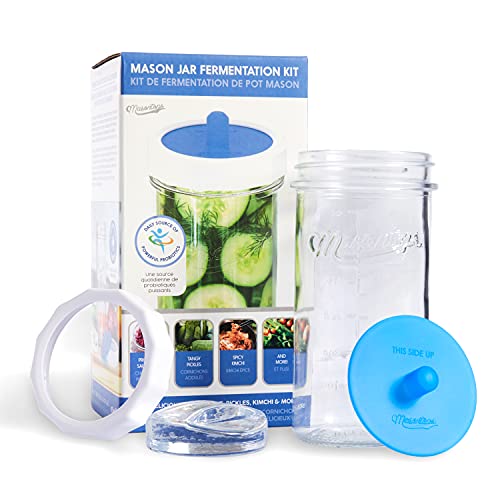
Masontops Fermentation Jar Starter Set, Easy Vegetable Fermentation Kit, Includes Mason Jar, Pickle Kit with Fermentation Lids & Fermentation Weight
MASONTOPS SINGLE MASON JAR FERMENTATION KIT: Includes all the tools needed to turn your ordinary regular mouth mason…
As an affiliate, we earn on qualifying purchases.
As an affiliate, we earn on qualifying purchases.