
To prevent sticking, you should use oil sprays and grease wisely. Apply oil evenly on cookware surfaces before cooking to keep food from sticking and make cleanup easier. In industrial settings, lubricate moving parts regularly to reduce friction and prevent machinery from sticking or jamming. Selecting the right type of grease or spray for your application is key. Continue exploring to discover more tips that will help you achieve ideal results in both cooking and maintenance.
Key Takeaways
- Apply oil sprays evenly to surfaces to prevent sticking during cooking or food release.
- Use appropriate greases on machinery parts to reduce friction and prevent sticking or jamming.
- Choose food-grade oils and greases to ensure safety and effective sticking prevention.
- Regularly reapply lubricants and sprays to maintain a non-stick surface over time.
- Proper application techniques help maximize the effectiveness of oils and greases in preventing sticking.

Oil sprays and greasing are essential tools for maintaining and protecting your equipment, ensuring smooth operation and preventing rust. Whether you’re working in the kitchen or on an industrial maintenance project, applying the right type of lubricant at the right time helps keep everything running efficiently. In cooking, proper use of oil sprays can improve your cooking techniques by preventing food from sticking to pans and grills, making cleanup easier and results more consistent. Similarly, in industrial settings, greasing machinery minimizes friction, reduces wear and tear, and extends the lifespan of equipment. Understanding how to effectively utilize these tools is key to avoiding costly repairs and downtime.
In your kitchen, oil sprays are a versatile and convenient way to coat surfaces evenly without excess. When you’re preparing to cook, spritzing a light layer of oil on baking sheets, grilling grates, or non-stick pans helps prevent food from sticking, which is essential for achieving perfect searing and browning. This technique is especially important when working with delicate foods like fish or pancakes, where sticking can ruin presentation and make flipping difficult. Using oil sprays also helps you control the amount of oil used, aligning with healthier cooking techniques by reducing unnecessary fats. Regularly greasing your cookware with sprays or brush-on oils ensures your food cooks evenly and releases easily, maintaining the quality of your dishes. Additionally, understanding how to apply grease properly can further enhance your cooking results and prolong the life of your cookware.
In industrial maintenance, greasing is equally critical for avoiding sticking and mechanical failures. Machinery with moving parts needs consistent lubrication to operate smoothly. Applying grease to joints, bearings, and gears reduces metal-on-metal contact, which prevents sticking and minimizes heat buildup. Properly maintained equipment runs more efficiently, consumes less energy, and requires fewer repairs. When you’re performing maintenance, it’s important to select the right grease for the specific application—high-temperature lubricants for engines, food-grade lubricants for processing equipment, or heavy-duty greases for industrial machinery. Regularly inspecting and reapplying grease ensures that parts stay lubricated, preventing sudden breakdowns caused by friction or corrosion.
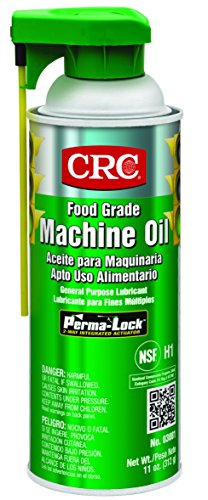
CRC 03081 General Purpose Food Grade Machine Oil Spray, (Net Weight: 11 oz.) 16oz Aerosol,Clear
NSF H1 registered for incidental food contact
As an affiliate, we earn on qualifying purchases.
As an affiliate, we earn on qualifying purchases.
Frequently Asked Questions
Can Oil Sprays Cause Damage to Delicate Surfaces?
Yes, oil sprays can cause damage to delicate surfaces if they’re not surface compatible. Using incompatible oils may lead to residue buildup, which can attract dirt and cause staining or deterioration over time. Always check the surface compatibility before applying, and use sparingly to avoid excess residue. Properly choosing the right spray helps protect delicate surfaces and keeps them clean without causing harm.
How Often Should I Reapply Oil Sprays for Optimal Results?
Think of oil sprays like watering a bonsai tree; you don’t want to drown it, but you do want to nourish it regularly. Reapplication frequency depends on use, but for ideal timing, reapply every few weeks or when you notice dryness or sticking. Keep an eye on the surface, and reapply when needed—this ensures smooth operation without overdoing it, preserving your equipment’s longevity and performance.
Are There Eco-Friendly or Biodegradable Oil Spray Options?
Yes, you can find biodegradable options and eco-friendly sprays that work well. These eco-friendly sprays are made from natural ingredients, reducing environmental impact and avoiding harmful chemicals. Look for products labeled as biodegradable or eco-conscious; they often come in recyclable packaging. Using these options helps you maintain your equipment while being kind to the planet. Be sure to check product labels to verify they meet your eco-friendly standards.
Can Greasing Prevent All Types of Sticking Problems?
Greasing can notably prevent many types of sticking, especially those caused by friction or lack of lubrication. However, it doesn’t solve all sticking issues, like those from dirt, debris, or incompatible materials. You need to identify the specific causes of sticking and select the appropriate type of lubricant accordingly. While greasing helps with many problems, some situations may require cleaning or different solutions to fully prevent sticking.
What Safety Precautions Should I Take When Applying Oil Sprays?
You should never underestimate the power of safety when applying oil sprays — a tiny mist can turn into a sneaky cloud of mess. Always wear protective gear like gloves and goggles to shield your skin and eyes. Make sure you’re in a well-ventilated area to avoid inhaling fumes, which can feel like a summer thunderstorm in your lungs. Follow these precautions, and you’ll spray safely rather than battling a sticky situation!

Lucas Oil 10574 Red "N" Tacky Grease – 1 Pound
Rust and oxidation inhibitors
As an affiliate, we earn on qualifying purchases.
As an affiliate, we earn on qualifying purchases.
Conclusion
By choosing the right oil sprays and greasing, you prevent sticking, protect your surfaces, and prolong your equipment’s life. You guarantee smooth operation, reduce frustration, and save time. You create a safer workspace, avoid costly repairs, and maintain efficiency. You take control, make wise choices, and keep things moving effortlessly. Remember, proper lubrication isn’t just maintenance—it’s empowerment. Keep things flowing, keep things lasting, and keep your projects successful with the right oil and grease.

PAM Baking Non-Stick Cooking Spray, 5 oz.
What You Get: One 5 oz. can of PAM Baking Non-Stick Spray
As an affiliate, we earn on qualifying purchases.
As an affiliate, we earn on qualifying purchases.

CRC 3084 Dry Moly Lube, (Net Weight: 11 oz.) Dark Gray, Original Version
High anti-friction and anti-seizure properties
As an affiliate, we earn on qualifying purchases.
As an affiliate, we earn on qualifying purchases.